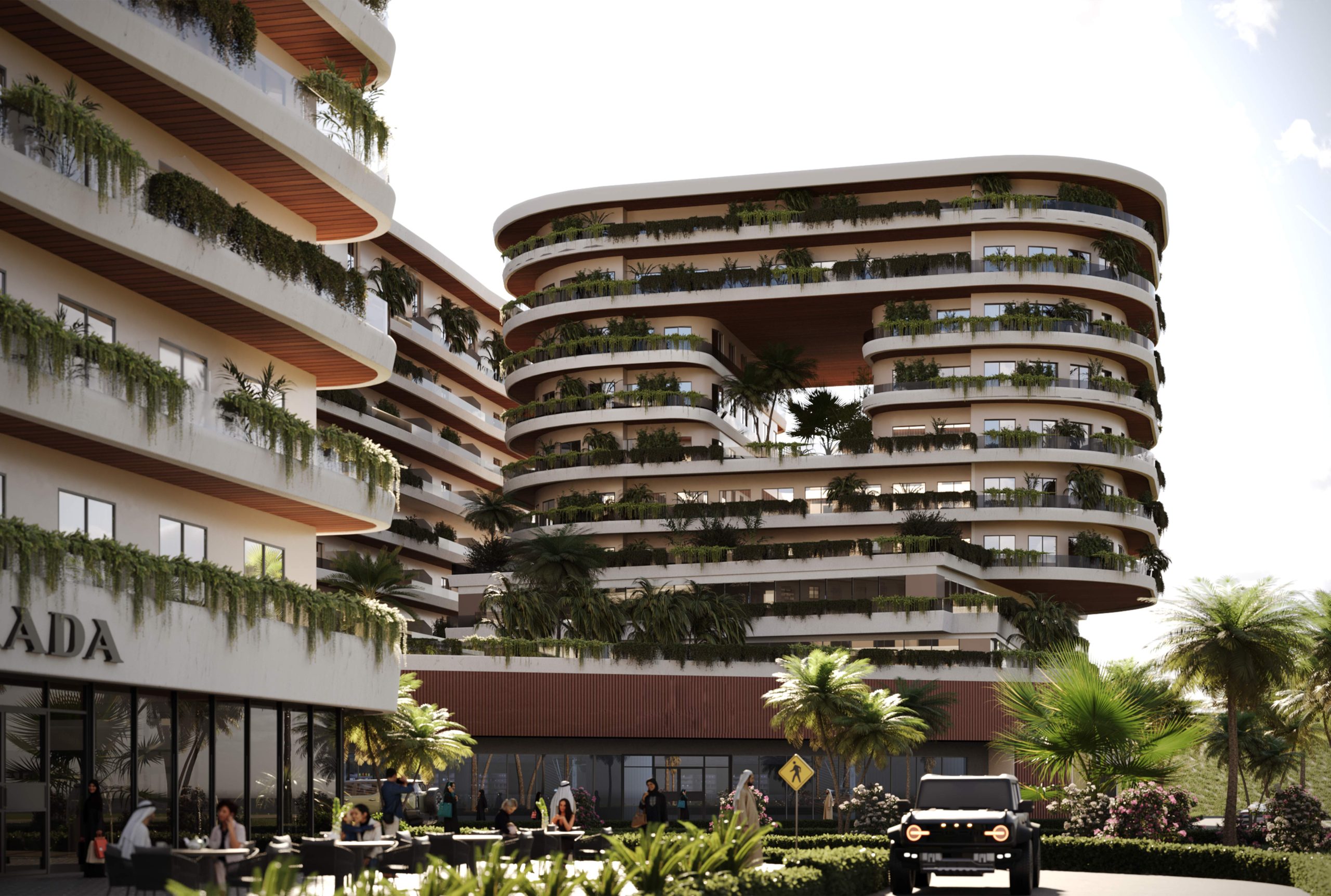
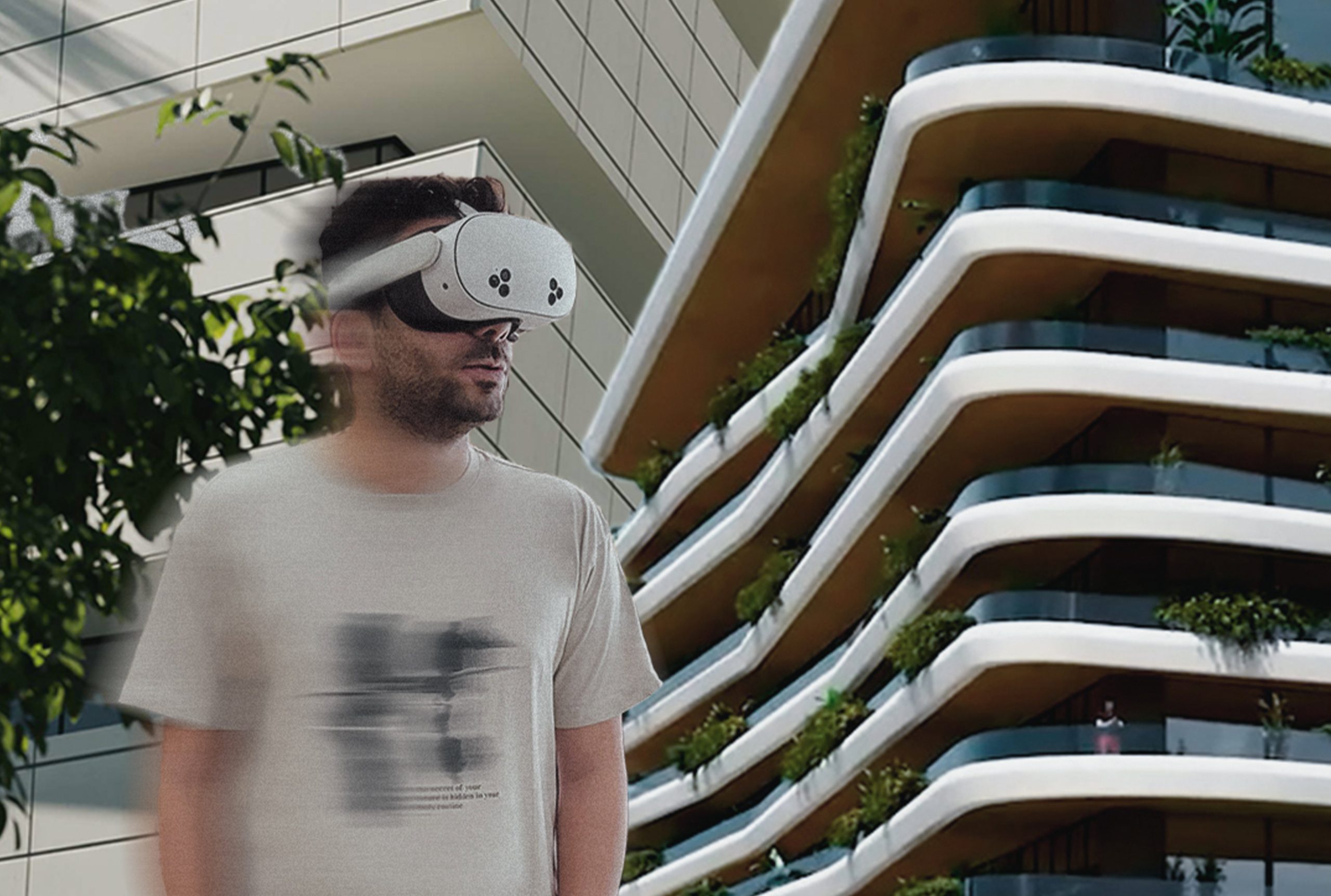
In the modern architectural landscape, presenting a project effectively is as important as the design itself. Traditional 2D plans, sketches, and static 3D renderings often fail to fully convey the spatial experience and emotional impact of a design. This is where virtual reality (VR) architectural tours come into play, revolutionizing how architects showcase their projects.
1.Immersive Visualization
One of the most significant advantages of VR in architecture is the ability to create immersive visualization experiences. Instead of relying on static images or videos, clients can explore a project in a fully interactive 3D environment. With VR, they can walk through spaces, observe proportions, and understand the flow of a building in a way that traditional presentations cannot offer. This hands-on experience makes design decisions more intuitive and engaging.
2.Improved Client Communication
Architects often struggle to communicate complex design concepts to clients, especially those without a technical background. Virtual reality architectural tours bridge this gap by allowing clients to experience the design firsthand. They can provide real-time feedback on layouts, materials, lighting, and other architectural elements. This reduces misunderstandings, accelerates decision-making, and increases client satisfaction.
3.Cost-Effective Design Iteration
Design iterations are an essential part of any architectural project. With VR, architects can quickly test multiple design alternatives without the need for physical models or extensive rendering time. Clients can compare different configurations, finishes, and furniture arrangements in real-time, helping them make informed choices while minimizing costly revisions.
4.Enhanced Marketing and Competitive Advantage
In the competitive world of architecture, standing out is crucial. Offering virtual reality architectural tours as part of your presentation portfolio provides a cutting-edge marketing tool. Potential clients are more likely to engage with firms that provide immersive, interactive experiences. This not only elevates the firm’s reputation but also demonstrates a commitment to innovation and technology.
5.Integration with Collaborative Tools
Modern architectural projects often involve multiple stakeholders, from engineers to interior designers. VR platforms can integrate collaborative features, enabling teams to meet virtually and discuss changes directly within the 3D environment. This enhances coordination, reduces errors, and streamlines project management.
Conclusion
Virtual reality architectural tours are no longer a futuristic concept—they are becoming an essential tool in modern architectural practice. By offering immersive visualization, improving client communication, supporting cost-effective design iterations, and providing a competitive marketing edge, VR transforms architectural presentations from static displays into engaging, interactive experiences. Embracing VR technology today ensures architects are not only meeting client expectations but exceeding them.
To see how we apply virtual reality architectural tours in our projects, check out our portfolio for real examples.